NATURALLY DERIVED INGREDIENTS
REFILL SIZES AVAILABLE
FREE DELIVERY ON ORDERS OVER £55*
SHOP ETHICAL CLEANING AND LAUNDRY PRODUCTS
MADE USING SOLAR ENERGY

Natural Wood Care: Why Choosing the Right Furniture Polish Matters

Natural Wood Care Why Choosing the Right Furniture Polish Matters copy

Wooden furniture is a timeless addition to any home, bringing warmth, character, and natural beauty. To keep your wood looking its best and extend its life, choosing the right furniture polish is essential. With so many options on the market, it can be confusing to decide which polish is best for your wood and your health.

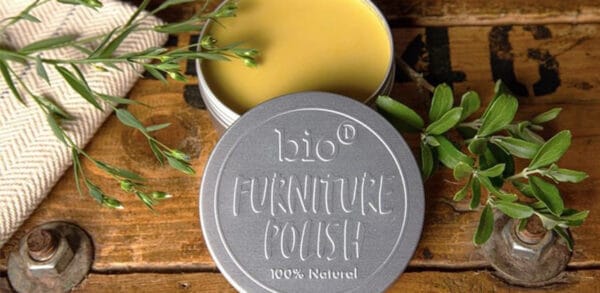
At Bio-D, we believe in simple, natural, and sustainable solutions. Our plant-based Furniture Polish, enriched with linseed oil and natural waxes, nourishes your wood gently while protecting the environment. Available in recyclable 150g metal tins, it’s an ideal choice for conscious consumers.

In this blog, we’ll compare common furniture polish types, highlight the benefits of plant-based options, and explain why making the right choice matters for your wood and the planet.

Common Types of Furniture Polish

There are several types of furniture polish available, each with distinct ingredients and effects on wood:

  1. Chemical-Based Polishes

Often containing synthetic solvents, silicones, petroleum derivatives, and artificial fragrances, chemical polishes are designed to provide a shiny, smooth finish quickly.

  • Pros:
    • Immediate glossy finish
    • Often inexpensive and widely available
  • Cons:
    • Can build up on the wood surface, creating a plastic-like layer that’s hard to remove
    • May contain volatile organic compounds (VOCs) harmful to health and indoor air quality
    • Potentially toxic ingredients that can irritate skin or respiratory systems
    • Often packaged in non-recyclable plastic
  1. Wax-Based Polishes

These contain natural or synthetic waxes that coat the wood surface, offering protection and a soft sheen.

  • Pros:
    • Good for protecting wood against moisture and scratches
    • Natural waxes (beeswax, carnauba) nourish wood
  • Cons:
    • Synthetic waxes may include chemicals and solvents
    • Can be labor-intensive to apply and maintain
  1. Oil-Based Polishes

Made from natural oils like linseed, tung, or mineral oils, these penetrate the wood to nourish and protect from within.

  • Pros:
    • Enhance wood grain and color
    • Provide deep nourishment and moisture retention
    • Allow wood to breathe
  • Cons:
    • Can take longer to dry
    • May require multiple applications for best results

Why Plant-Based Furniture Polish Stands Out

Plant-based furniture polishes combine natural oils and waxes sourced from renewable plants. Bio-D’s furniture polish uses linseed oil, a natural drying oil, alongside plant-based waxes, creating a gentle yet effective wood care product.

Key Benefits Include:

  • Gentle Nourishment: Linseed oil penetrates deeply, restoring moisture and preventing cracking, while waxes create a protective, breathable surface.
  • Natural Finish: Enhances the wood’s natural beauty without artificial shine or plastic residue.
  • Non-Toxic: Free from harmful VOCs, solvents, and synthetic fragrances, making it safer for your family and pets.
  • Sustainable: Ingredients are biodegradable and renewable, reducing environmental impact.
  • Eco-Friendly Packaging: Bio-D’s 150g metal tins are infinitely recyclable and reusable, cutting down on plastic waste.

The Impact of Choosing the Wrong Furniture Polish

Using harsh chemical polishes can have long-term consequences for your wood and home environment:

  • Surface Damage: Chemical buildup can create a sticky, dull coating that attracts dust and dirt, making furniture harder to clean and refinish.
  • Health Risks: Exposure to VOCs and synthetic fragrances can trigger allergies, asthma, or irritation, especially in sensitive individuals.
  • Environmental Harm: Non-biodegradable ingredients contribute to pollution, and plastic packaging increases landfill waste.

Choosing natural, plant-based polish avoids these issues while providing superior care.

How to Choose the Right Polish for Your Wood

When selecting a furniture polish, consider:

  • Type of wood: Some woods benefit from oil-based treatments; others may require specific care.
  • Desired finish: Do you prefer a natural matte look or a glossy shine? Plant-based polishes typically offer a subtle, natural finish.
  • Environmental impact: Look for biodegradable ingredients and recyclable or reusable packaging.
  • Health considerations: Opt for non-toxic, fragrance-free formulas to reduce allergy and irritation risk.

Bio-D’s furniture polish ticks all these boxes, making it a safe and sustainable choice for most wood types.

How to Use Plant-Based Furniture Polish Effectively

  1. Clean your wood surface thoroughly before applying polish.
  2. Apply a small amount of polish using a soft cloth.
  3. Rub gently into the wood grain in circular motions.
  4. Allow time to absorb, ideally overnight.
  5. Buff with a clean cloth for a natural sheen.

Regular use keeps wood nourished, protected, and looking its best.

Your furniture deserves care that respects both its natural beauty and the environment. Choosing the right furniture polish isn’t just about shine — it’s about protecting your wood with safe, effective, and sustainable ingredients.

Plant-based furniture polish, like Bio-D’s blend of linseed oil and natural waxes, offers superior nourishment and protection without the downsides of chemical alternatives. Plus, with eco-friendly packaging, it’s a choice you can feel good about.

Make the switch to natural wood care today and enjoy furniture that looks beautiful and lasts longer — all while reducing your environmental footprint.

How much does delivery cost graphic