Community spaces should feel safe, welcoming, and accessible to everyone. Whether it’s a nursery, healthcare clinic, library, sports centre, or care home, these environments are designed to support the wellbeing of the people who use them every day. Yet one often overlooked factor can significantly impact health and comfort within these spaces: the cleaning products being used.
As awareness around allergies, asthma, eczema, and chemical sensitivities continues to grow, so too does the need for cleaning products that are kinder to people and the environment. Using Allergy UK certified, or fragrance free cleaning products in community spaces is no longer just a preference — it’s becoming a necessity.
This has become even more significant with the introduction of Benedict’s Law, which comes into effect in September 2026. The legislation reflects a growing recognition that allergies must be taken seriously in every setting where people learn, work and spend time together. While much of the focus has been on food allergies, creating allergy-aware environments goes beyond food alone. Everyday products, including cleaning products, also play an important role in reducing unnecessary exposure to common allergy triggers and skin irritants.
At Bio-D, we understand that cleaning products should clean effectively without compromising health. That’s why our products are formulated to minimise reactions while delivering powerful, reliable cleaning performance suitable for busy public and shared spaces.
The Growing Reality of Allergies in the UK
Allergies are becoming increasingly common across the UK. According to Foods Matter (2010), a staggering 44% of British adults now suffer from at least one allergy. Even more concerning, the number of allergy sufferers rose by around 2 million people between 2008 and 2009 alone. Almost half (48%) of those affected have more than one allergy — equating to around 10 million people nationwide.
For many individuals, allergies are not simply an inconvenience. Up to 20% of people living with allergies experience the daily fear of potentially severe reactions such as asthma attacks, anaphylactic shock, or even death following exposure to triggers (EAACI 2016).
While food allergens often receive the most attention, airborne irritants and harsh chemical fragrances can also provoke serious symptoms. Strongly fragranced or toxic cleaning products may trigger breathing difficulties, headaches, skin irritation, or allergic reactions, particularly in sensitive individuals.
In community spaces where many different people gather every day, reducing these risks is essential.
Alongside fragrance, one of the most overlooked causes of skin irritation and allergic reactions is the use of certain preservatives in cleaning and personal care products. Ingredients including Phenoxyethanol, Methylisothiazolinone (MI) and Methylchloroisothiazolinone (MCI) have all been associated with allergic contact dermatitis and skin sensitisation in susceptible individuals. As awareness grows, more consumers, schools, care providers and workplaces are actively looking for products that avoid these commonly recognised preservative allergens.
Bio-D’s preservative-free formulations, where appropriate, are designed to minimise unnecessary exposure to these ingredients, offering organisations another way to support people living with allergies, eczema and sensitive skin.
Why Cleaning Products Matter More Than Ever
Cleaning products are used constantly in public and shared environments. Floors, toilets, surfaces, equipment, and communal areas all require regular cleaning and disinfecting. However, traditional cleaning products can contain harsh chemicals and irritants that linger in the air long after cleaning has taken place.
For people with asthma, eczema, allergies, or sensitivities, even low-level exposure can cause discomfort or serious health complications.
Using fragrance free, allergy conscious cleaning products such as Bio-D can help reduce these risks significantly. Our products are carefully formulated to minimise irritants while still maintaining the high cleaning standards expected in busy community settings.
Cleaner, allergen aware environments can also contribute to better overall wellbeing. Poor indoor air quality and chemical irritants can worsen conditions like eczema and asthma, leading to discomfort, absences from school or work, and difficulty concentrating. By choosing gentler cleaning solutions, organisations can help create healthier indoor spaces where people feel more comfortable and able to participate fully.
Benedict’s Law: A Positive Step for Allergy Awareness
The introduction of Benedict’s Law in September marks an important milestone for allergy awareness across the UK. Named in memory of Benedict Blythe, who sadly died following a severe allergic reaction, the legislation aims to improve allergy management, education and awareness within schools and public settings, helping ensure allergies are recognised and treated with the seriousness they deserve.
While Benedict’s Law primarily focuses on improving responses to food allergies, its wider message is equally relevant to every aspect of creating safer environments. People living with allergies, asthma and eczema encounter potential triggers throughout their day, not only at mealtimes but also through the products used to clean and maintain shared spaces.
By reviewing cleaning products alongside wider allergy policies, organisations can take a more holistic approach to protecting those in their care. Choosing products that are fragrance free, Allergy UK Approved and free from commonly recognised preservative allergens helps reduce avoidable exposures and demonstrates a genuine commitment to inclusive, health-conscious environments.
Creating More Inclusive Community Spaces
Community spaces should be accessible to everyone, including those living with allergies or chronic health conditions. Unfortunately, many people with allergies often feel restricted or singled out because they must constantly assess potential risks in their environment.
When organisations make conscious choices to use safer cleaning products, it sends a strong message about inclusion and care. It removes some of the barriers that allergy sufferers face daily and allows children and adults alike to engage in activities without unnecessary worry.
This is especially important in settings where individuals may spend many hours each day. A child with asthma in a nursery or a patient recovering in a healthcare clinic should not have to navigate overpowering chemical smells or irritants simply because of routine cleaning practices.
Choosing Allergy UK certified products provides reassurance not only to those directly affected but also to families, carers, and staff who want confidence that environments are being managed responsibly.
The Importance of Trusted Certifications
Terms such as “natural” or “non-toxic” are often used in marketing, but these labels do not always provide clear or reliable information for consumers and organisations.
This is where recognised certifications become incredibly important.
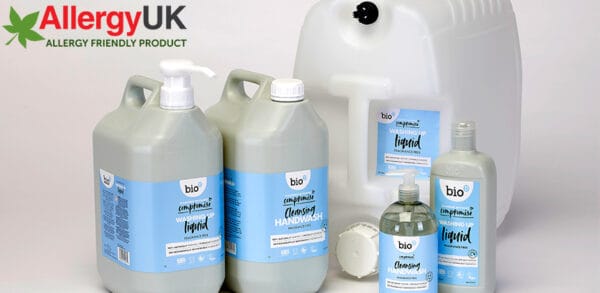
Products certified by organisations such as Allergy UK undergo rigorous testing to ensure they are suitable for people living with allergies and sensitivities. Choosing certified products helps community organisations make informed decisions based on recognised standards rather than assumptions.
At Bio-D, we are proud to create products that prioritise safety, transparency, and effectiveness. Certification provides peace of mind that cleaning products have been independently assessed for their impact on allergy sufferers and sensitive users.
For organisations preparing for the introduction of Benedict’s Law, recognised certifications can also provide confidence that the products they choose have been independently reviewed for suitability around people living with allergies and sensitivities. This makes selecting trusted products easier when developing or reviewing allergy-aware policies.
Why Bio-D Products Are Ideal for Community Spaces
Community environments have unique cleaning demands. Products must be effective enough to handle frequent use while remaining gentle enough to support vulnerable individuals.
Bio-D products are designed with exactly this balance in mind.
Our formulations are fragrance free and made to minimise reactions, helping organisations reduce unnecessary exposure to irritants and sensitising ingredients. This makes Bio-D an excellent choice for a wide range of public facing environments.
Early Years Settings
Nurseries, preschools, and childminding settings care for very young children whose immune systems and respiratory systems are still developing. Young children are often more sensitive to airborne irritants and may not yet be able to clearly communicate symptoms such as headaches, breathing difficulties, or skin irritation.
Using gentler cleaning products in these environments can help support safer, healthier spaces for children, educators, and visiting families alike.
With Benedict’s Law encouraging stronger allergy awareness within educational settings from September, reviewing cleaning products forms part of creating genuinely allergy-aware environments. Children come into regular contact with cleaned toys, tables, floors and washroom facilities, making the products used throughout the setting just as important as wider allergy management practices.
Healthcare Environments
GP surgeries, clinics, and healthcare settings regularly support individuals who may already be medically vulnerable. Exposure to allergens or harsh fragrances could complicate recovery or trigger additional reactions.
Fragrance free allergy conscious cleaning products can help maintain cleanliness standards while supporting patient comfort and wellbeing.
For healthcare providers supporting patients with eczema, respiratory conditions or multiple allergies, reducing exposure to unnecessary fragrance and recognised preservative allergens can contribute towards a more comfortable clinical environment.
Care Homes and Assisted Living Facilities
Older adults are often more susceptible to respiratory irritation, allergies, and chronic health conditions. In care homes and assisted living facilities, indoor air quality and environmental comfort can have a direct impact on quality of life.
Gentler cleaning products can contribute to a calmer and more supportive living environment for residents and staff alike.
Sports Centres and Gyms
People breathe more heavily during physical activity, making them more vulnerable to airborne irritants and strong chemical scents. In sports centres and gyms, overpowering cleaning products can quickly become uncomfortable or triggering for users.
Choosing fragrance free products can help maintain fresh, clean facilities without compromising air quality.
Public Buildings and Shared Spaces
Libraries, transport hubs, community centres, and other public buildings welcome large and diverse populations every day. Among them will inevitably be individuals with diagnosed or undiagnosed sensitivities.
As public awareness grows following the introduction of Benedict’s Law, organisations have an opportunity to demonstrate leadership by considering every aspect of allergy management—including the products used to clean their buildings. Choosing allergy-conscious cleaning products helps create welcoming spaces where everyone can feel safer.
Supporting Staff Health and Wellbeing
It is not only visitors and service users who benefit from allergy-friendly cleaning products. Teachers, carers, healthcare workers, cleaners, and support staff are exposed to cleaning chemicals day after day as part of their working environment.
Repeated exposure to harsh cleaning agents and synthetic fragrances may contribute to irritation and sensitisation over time. Selecting fragrance free, preservative-conscious formulations helps reduce repeated exposure to ingredients associated with skin sensitisation, supporting not only visitors but also the cleaning teams and staff who use these products every day. By switching to Bio-D products, organisations can help reduce long-term exposure to potentially harmful irritants and support healthier workplaces for their teams.
Prioritising staff wellbeing can also contribute to improved morale, reduced absences, and a more positive working environment overall.
A Smarter Approach to Cleaning
As awareness around allergies and sensitivities continues to increase, community organisations are rethinking how they create healthier indoor environments. Cleaning products are an important part of that conversation.
By choosing Allergy UK certified, fragrance free products such as Bio-D, organisations can help reduce unnecessary health risks, support inclusivity, and create spaces where everyone feels safer and more comfortable.
Small changes in cleaning routines can make a meaningful difference to the wellbeing of children, adults, staff, patients, and visitors alike. In community spaces where health, comfort, and accessibility matter, safer cleaning choices are a simple but powerful step forward.
The introduction of Benedict’s Law in September is a welcome step forward in recognising that allergies deserve greater awareness, understanding and action. Although the legislation centres on food allergies, its message encourages organisations to consider every aspect of creating safer environments—including the everyday cleaning products used throughout their buildings.
By choosing Allergy UK Approved, fragrance-free Bio-D products, organisations can help reduce exposure to unnecessary irritants while supporting people living with allergies, asthma, eczema and chemical sensitivities. Our thoughtfully developed formulations, including preservative-free products where appropriate, offer an additional layer of reassurance for those seeking to minimise exposure to recognised preservative allergens such as Phenoxyethanol, Methylisothiazolinone (MI) and Methylchloroisothiazolinone (MCI).
Creating healthier community spaces isn’t just about meeting hygiene standards—it’s about helping everyone feel safe, included and able to participate fully. As allergy awareness continues to grow, small changes such as choosing gentler, independently certified cleaning products can make a meaningful difference to the wellbeing of staff, visitors and the wider community.