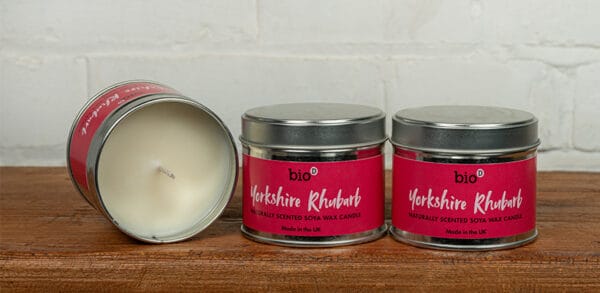
Candle wax adds warmth and ambiance to any setting, but accidents happen — and wax on your clothes can be frustrating. Removing wax stains from fabric isn’t always straightforward. Different wax types, fabric materials, and the nature of the stain all influence the best removal method.
Fortunately, you don’t need harsh chemicals or expensive treatments to get your garments looking fresh again. With a few simple, effective techniques and the right cleaning products, you can safely banish candle wax stains and residue without harming your clothes.
In this guide, we’ll cover everything you need to know to tackle candle wax on fabric, from hardening and scraping to heat absorption and stain treatment, plus special care tips for delicate materials.
Understanding Candle Wax and Its Challenges
Candle wax is primarily made of paraffin or beeswax, sometimes blended with dyes and fragrances. When melted wax spills on fabric, it cools and hardens, creating a stubborn stain. The wax itself is solid, but it often leaves behind oily residues that can be tougher to remove.
Key challenges include:
Understanding these factors helps you choose the right removal approach for your specific fabric and wax type.
Step 1: Harden the Wax for Easy Removal
The first step is to harden the wax completely. This prevents smearing and makes it easier to lift off the fabric. You can do this quickly by:
Once hardened, the wax becomes brittle and easier to scrape off without pushing it deeper into the fibres.
Step 2: Scrape Off the Hardened Wax
Use a dull knife, credit card edge, or spoon to gently scrape the hardened wax off the fabric.
If any wax remains, don’t worry. You’ll tackle that in the next steps.
Step 3: Use Heat to Absorb Remaining Wax
Heat can help lift the residual wax out of fabric fibres by melting it and absorbing it into an intermediary material.
Important: Always test a small hidden section of fabric first to check heat tolerance and avoid scorching.
Step 4: Treat Residual Oil Stains
Even after wax removal, oily stains can remain. These require targeted cleaning:
If the stain persists after washing, avoid drying the garment in a dryer as heat can set the stain. Repeat the pre-treatment and washing process instead.
Special Considerations for Delicate Fabrics
For delicate fabrics like silk, wool, or lace:
Why Choose Bio-D for Cleaning Wax Stains?
Final Tips for Wax Stain Prevention
Removing candle wax from clothes may seem tricky, but with patience and the right method, your fabrics can look as good as new. Using these simple steps alongside Bio-D’s gentle yet effective products ensures a safe, eco-friendly clean every time.
Keep your favourite clothes free from wax stains and enjoy your candlelit moments worry-free!
Shop Bio-D Washing Up Liquid and Laundry Liquid for effective, natural stain removal:
https://biod.co.uk/shop/